
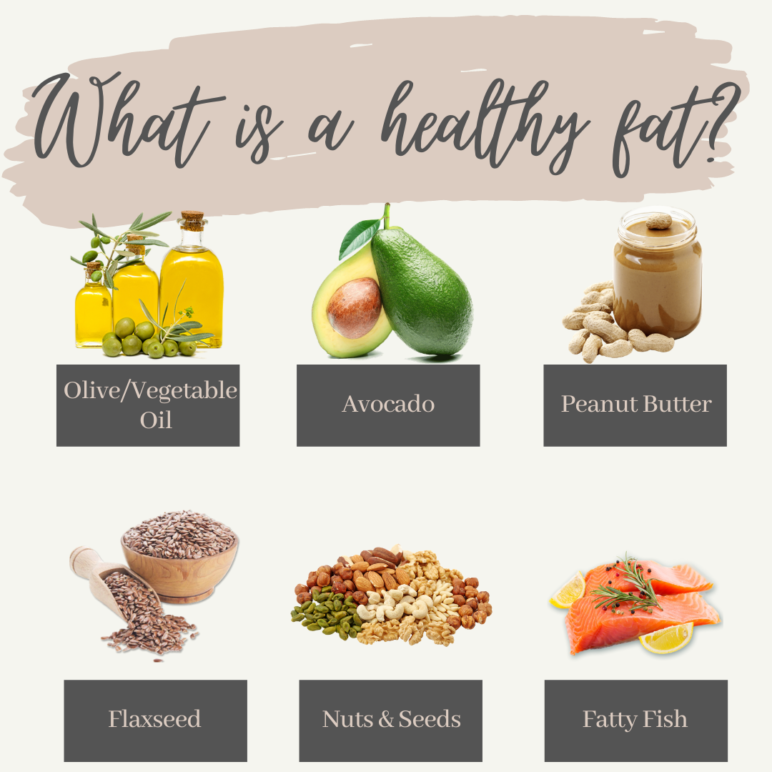
Why we need some fat on our plate.
A small amount of fat is an essential part of a healthy, balanced diet. Fat is a source of essential fatty acids, which the body cannot make itself.
Fat helps the body absorb vitamin A, vitamin D and vitamin E. These vitamins are fat-soluble, which means they can only be absorbed with the help of fats.
The main types of fat found in food are:• saturated fats• unsaturated fatsMost fats and oils contain both saturated and unsaturated fats in different proportions.
As part of a healthy diet, you should try to cut down on foods and drinks that are high in saturated fats and trans fats and replace some of them with unsaturated fats.
Unsaturated fats
If you want to reduce your risk of heart disease, it’s best to reduce your overall fat intake and swap saturated fats for unsaturated fats.
There’s good evidence that replacing saturated fats with some unsaturated fats can help to lower your cholesterol level. Mostly found in oils from plants and fish, unsaturated fats can be either monounsaturated or polyunsaturated.
Monounsaturated fats
Monounsaturated fats help protect your heart by maintaining levels of “good” HDL cholesterol while reducing levels of “bad” LDL cholesterol in your blood. Monounsaturated fats are found in:• olive oil, rapeseed oil and spreads made from these oils• avocados• some nuts, such as almonds, brazils, and peanuts
Polyunsaturated fats
Polyunsaturated fats can also help lower the level of “bad” LDL cholesterol in your blood. There are 2 main types of polyunsaturated fats: omega-3 and omega-6. Some types of omega-3 and omega-6 fats cannot be made by your body, which means it’s essential to include small amounts of them in your diet.
Omega-6 fats are found in vegetable oils, such as:• rapeseed• corn• sunflower• some nutsOmega-3 fats are found in oily fish, such as:• kippers• herring• trout• sardines• salmon• mackerel
How’s your plate looking? 